Understanding Electrical Codes and Regulations for Hurricane Preparedness
When preparing for hurricane season, understanding local electrical codes and regulations is essential for ensuring safety and compliance. These codes dictate the standards for electrical installations and maintenance, helping to protect homes from potential electrical hazards during storms.
For instance, in Bradenton, Florida, homeowners are required to follow specific guidelines regarding grounding systems and the installation of surge protection devices. Familiarizing yourself with these regulations can help you avoid fines and ensure that your electrical systems are up to code, ultimately enhancing your home's safety during severe weather events.
Top Tips for Securing Outdoor Electrical Equipment
Securing outdoor electrical equipment is a vital step in hurricane preparedness. High winds and flooding can damage unprotected electrical devices, leading to costly repairs and safety hazards. It's important to assess all outdoor installations, including outlets, generators, and lighting fixtures, to ensure they are adequately secured.
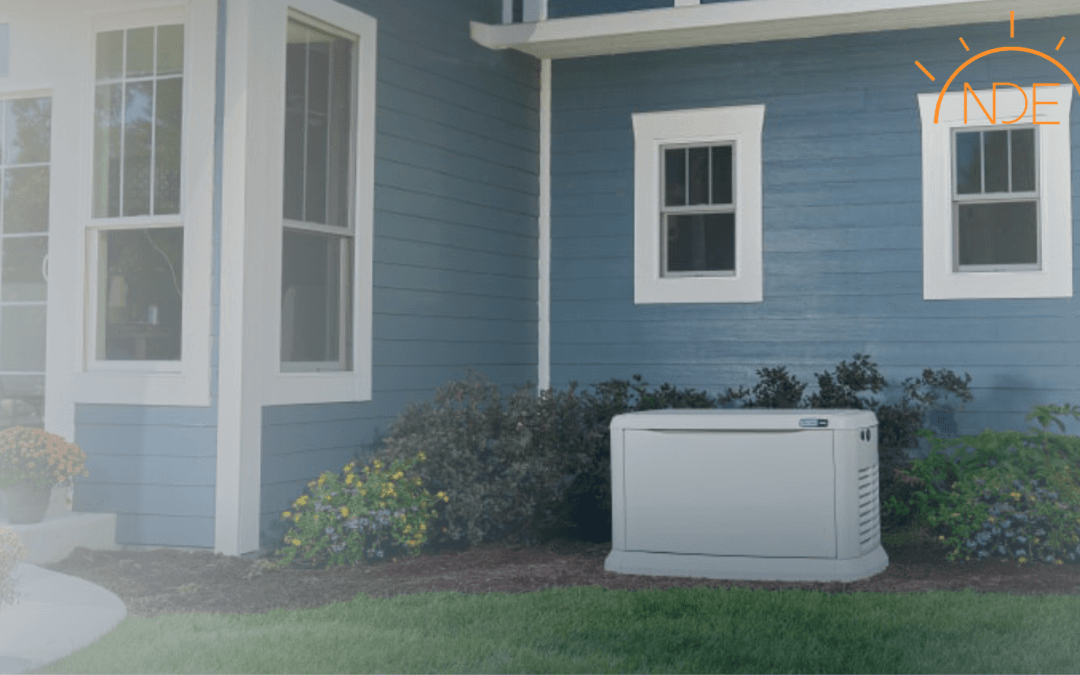
For example, using weatherproof covers for outdoor outlets and ensuring that generators are anchored and protected from flooding can significantly reduce the risk of damage. Additionally, consider raising electrical equipment above potential flood levels and using waterproof storage for portable devices to further enhance their resilience against storms.
Preparing Your Family for Electrical Emergencies During Storms
In addition to securing your electrical systems, preparing your family for electrical emergencies is crucial during hurricane season. Developing a family emergency plan that includes steps for dealing with power outages and electrical hazards can help ensure everyone's safety when storms strike.
This plan should outline how to safely use backup generators, the importance of avoiding downed power lines, and the need to have a supply of flashlights and batteries on hand. Educating family members about these protocols can empower them to act quickly and safely during an electrical emergency, reducing panic and enhancing overall preparedness.
Post-Storm Electrical System Assessment: What to Look For
After a storm has passed, it is essential to conduct a thorough assessment of your electrical systems to identify any potential damage. This step is crucial for ensuring that your home remains safe and functional in the aftermath of severe weather.
Look for signs of water damage, exposed wiring, or burnt outlets, and avoid using any electrical devices that may have been affected. If you suspect any issues, it's best to contact a licensed electrician for a professional evaluation to prevent further hazards and ensure that your electrical systems are restored to safe working condition.